The European Green Capital title gave the world a fresh reason to discover Vilnius
Vilnius’ year as European Green Capital brought strong international media attention. Journalists from outlets such as Wanderlust, Forbes, Fortune and Lonely Planet visited the city and introduced it to audiences abroad.
That interest translated into tangible visibility: in 2025, foreign media published 55 pieces about Vilnius as European Green Capital, reaching a combined audience of 215 million. According to Go Vilnius, the highest readership was in the United States, Germany and the United Kingdom.
“Those expecting a grey, brutalist city shaped by its Soviet past are quickly surprised – one look at the UNESCO-listed Old Town and the green hills around it is enough,” wrote Wanderlust, the UK’s longest-running and largest independent travel magazine.
A city that challenges stereotypes
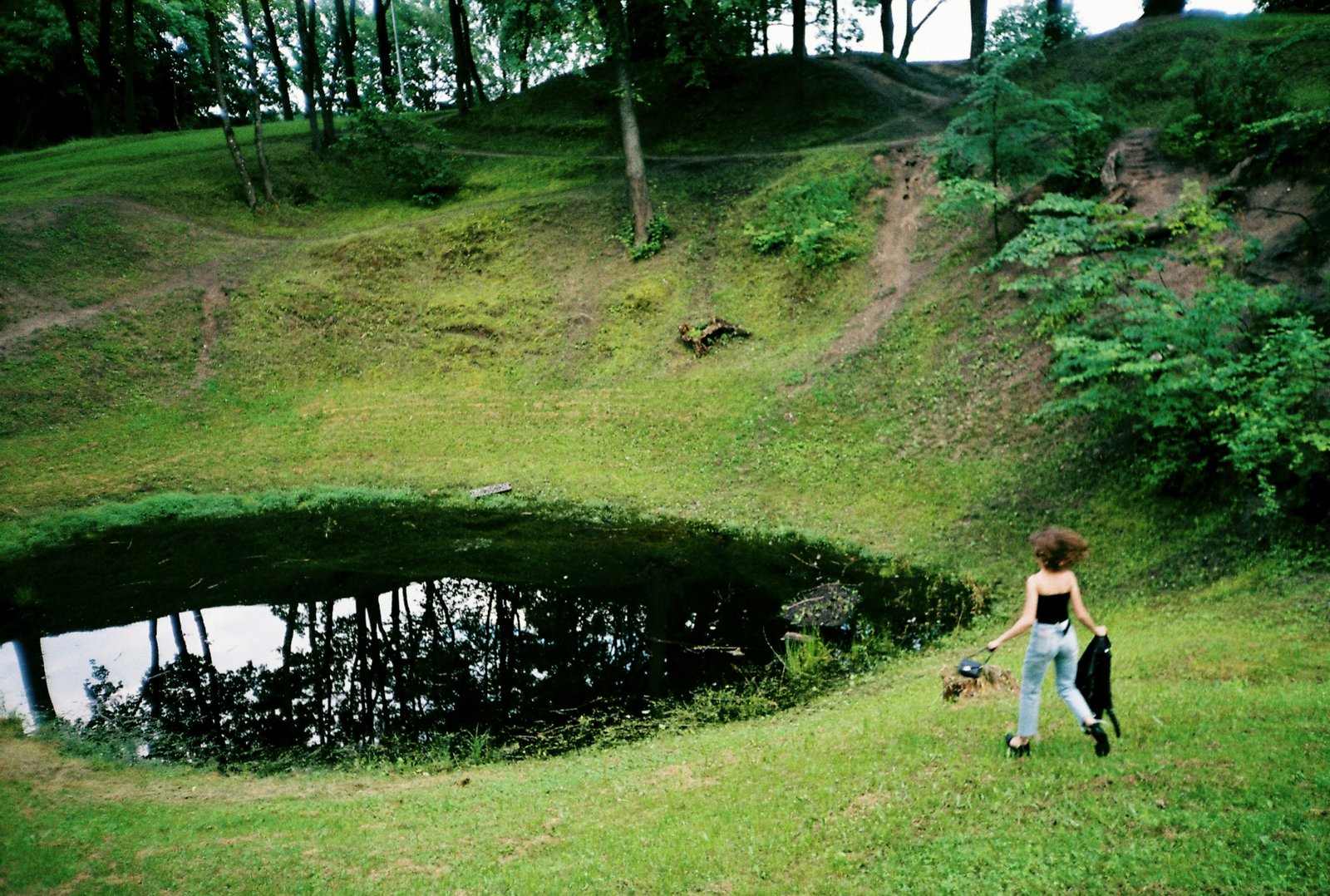
International travel media increasingly describe Vilnius as a compact city that is easy to explore on foot, where green spaces are woven into everyday life. Wanderlust notes that nearly two-thirds of the capital’s area is covered in greenery, with nature just a few steps from the city centre. The city’s viewpoints – such as Gediminas’ Castle Hill and other panoramic spots – also feature prominently, revealing how much green surrounds the historic core.
Business and economy outlets add another dimension to this picture. In Fortune, Vilnius is presented as a city where greenery and quality of life are becoming key factors for international companies and professionals choosing where to live and work. The article also highlights a growing startup ecosystem and the presence of international companies, linking the city’s green direction with a safe, convenient and people-centred urban environment.
Meanwhile, Forbes in the US and Argentine markets introduces Vilnius as the 2025 European Green Capital, emphasising the city’s progress in reducing pollution, expanding green spaces and embedding sustainable solutions into everyday city life. Germany’s Reisereporter similarly underlines how easily accessible Vilnius’ green areas, cycling and walking infrastructure, water bodies and recreational zones are – directly contributing to smoother mobility and overall quality of life.
“The European Green Capital name is more than a title – it reflects deliberate choices and a long-term commitment to quality of life. That’s exactly what international journalists are noticing,” says Jurga Pociūtė-Mikūtienė, Project Manager of Vilnius – European Green Capital 2025.
Journalists experienced Vilnius first-hand
Vilnius’ international visibility was strengthened by journalist visits and on-the-ground reporting. Travel and lifestyle writers from the UK, Germany, the Baltics and other European countries discovered the city not through formal presentations, but through personal experience.
One such visit resulted in a Lonely Planet feature on a 111-kilometre walking route that loops around Vilnius. The visiting journalist was struck by the forests around the city, the Neris and Vilnia rivers, the hilly landscape, the Green Lakes area, and the unexpected contrasts between urban and natural settings – from historic landmarks to Soviet-era districts. The author also notes that the route is designed so each section can be reached by public transport, making it convenient both for residents and for travellers keen to explore the city.
Scotland’s Scottish Sunday Post introduced readers to forest therapy in Vilnius, with a journalist joining a guide for “forest bathing” and highlighting again that almost two-thirds of the city is green space – and that the forest begins just beyond the city centre. Another Scottish title, The Herald, wrote that while Vilnius’ history has been complex, the city is now firmly focused on the future. Here, the European Green Capital title is framed as part of a consistent development trajectory and a green direction, rather than a purely symbolic label.
As Eglė Girdzijauskaitė, Head of Communications at Vilnius’ tourism and business development agency Go Vilnius, notes, these observations help reveal how the city is perceived internationally.
“The European Green Capital title gave us a great opportunity to show Vilnius from a different angle. International media attention confirmed that the city is compelling not only as a travel destination, but also as a place to live, work and create. What feels ordinary to us often becomes one of the most memorable experiences for visitors – something they genuinely want to share,” says Girdzijauskaitė.